Island Discovery
Dominica: The Nature Island That Refused to Become a Resort
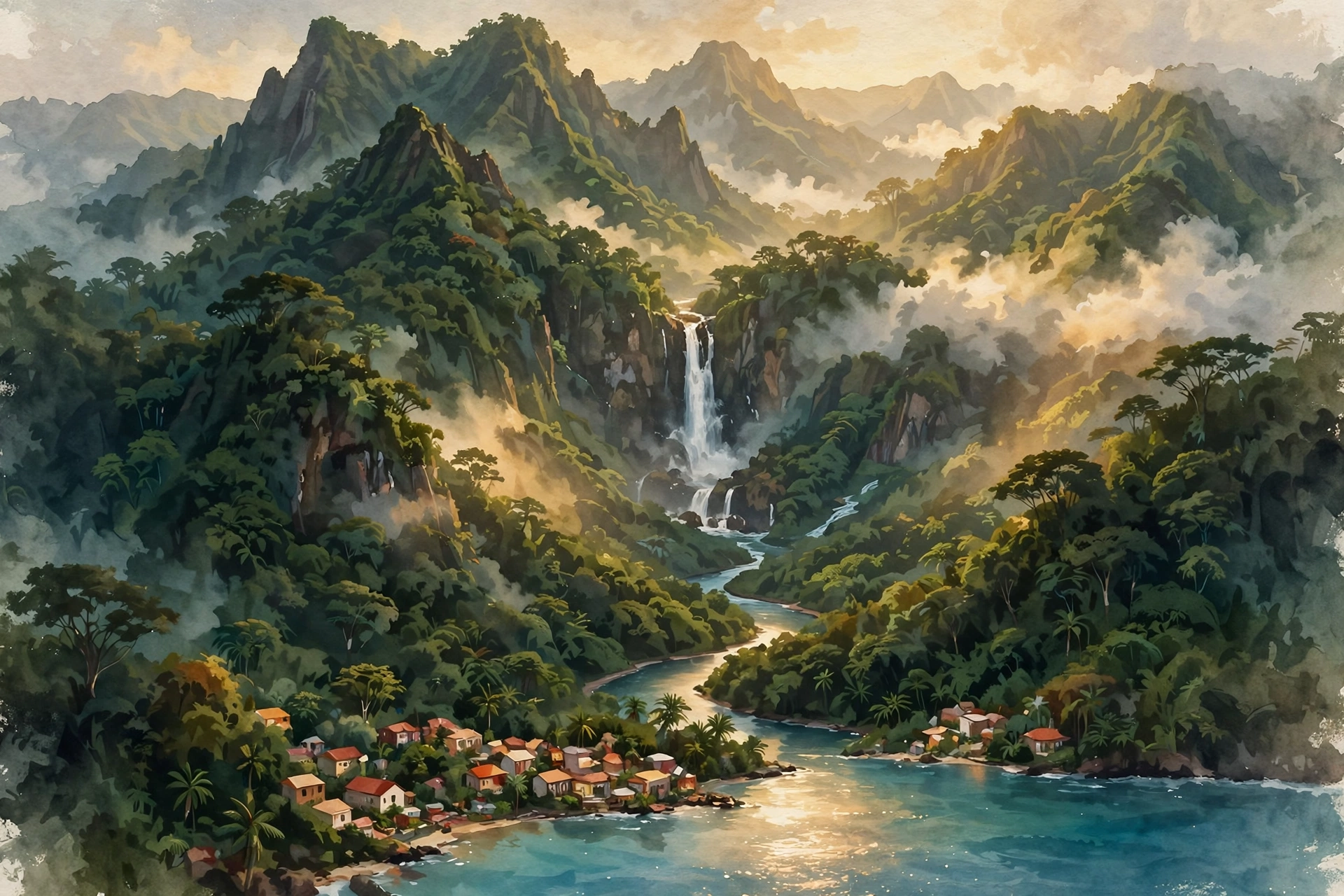
Plenty of Caribbean islands chased the mega-resort dream. Dominica looked at its rainforests, its rivers and its boiling lake - and chose nature instead. The result is the island locals and visitors alike call the Nature Island: the wildest, greenest corner of the Caribbean, and proud of it.
Tap the flame if this one made you smile, think or feel proud.
Where is it?
Dominica sits in the Windward Islands of the Lesser Antilles, between the French islands of Guadeloupe to the north and Martinique to the south - and no, it is not the Dominican Republic, a mix-up Dominicans are forever correcting. It covers about 750 square kilometres (290 square miles) and is home to around 72,000 people. The capital, Roseau, sits on the sheltered west coast, facing the Caribbean Sea.
This is the youngest island in the Lesser Antilles chain, and it still feels alive under your feet: nine volcanic centres, hot springs and steaming valleys, with roughly two-thirds of the island wrapped in rainforest. English is the official language, Kwéyòl is widely spoken, and the Eastern Caribbean dollar is the currency.
Why go?
Because Dominica made a choice. Decades ago, while neighbours built large-scale beach resorts and cruise infrastructure, Dominica positioned itself as an eco-destination - small lodges, village guesthouses and nature first. There are no sprawling all-inclusive strips here. What you get instead is an island where nature still calls the shots: prehistoric-looking ferns, parrots found nowhere else on Earth, and rivers so clean the locals will tell you to drink from them.
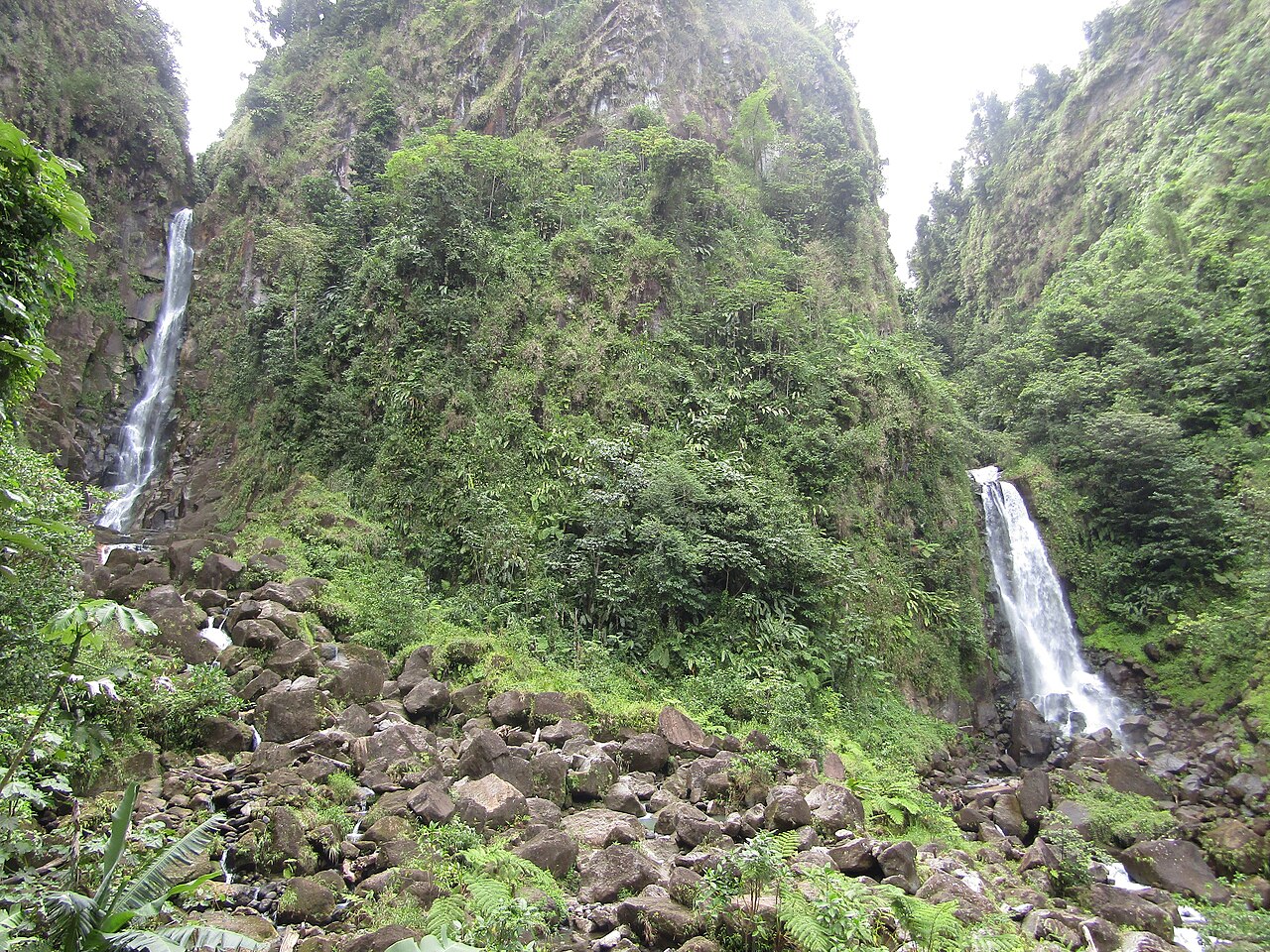
It helps that the scenery is off the scale. Locals say Dominica has 365 rivers - one for every day of the year - along with dozens of waterfalls, black-sand coves and mountains that disappear into the clouds.
What to do
Swim in a river - any river. With a river for every day of the year (as the saying goes), river bathing is a way of life. The Emerald Pool, a waterfall grotto inside Morne Trois Pitons National Park, is the classic first swim.
Hike to the Boiling Lake. Dominica's signature adventure is a demanding full-day guided trek through the steaming Valley of Desolation to the Boiling Lake - the world's second-largest hot lake, a grey-blue cauldron of bubbling water in a volcanic crater. It sits inside Morne Trois Pitons National Park, a UNESCO World Heritage Site since 1997. A licensed guide is essential.
Walk the Waitukubuli National Trail. The longest hiking trail in the Caribbean runs about 115 miles (185 km) from Scotts Head in the south to the Cabrits National Park in the north, in 14 segments through rainforest, river valleys and coastal villages. Waitukubuli is the Kalinago name for the island - "tall is her body". Most visitors walk a segment or two rather than the whole line.
Meet the sperm whales. Dominica is the only island in the Caribbean where sperm whales can be reliably encountered all year round, thanks to the deep water close to shore. Boat tours leave from Roseau and Portsmouth, and the island is establishing the world's first sperm whale reserve to protect its resident pod.
Visit the Kalinago Territory. On the Atlantic coast, the Kalinago Territory is home to the Caribbean's Indigenous Kalinago people - a living culture of crafts, cassava bread and river life that long predates the island's colonial history.
Dominica at a glance
Where: Windward Islands, between Guadeloupe and Martinique
Size: About 750 km²; around 72,000 residents
Capital: Roseau
Highest point: Morne Diablotin, about 1,447 m
Known for: 365 rivers, the Boiling Lake, rainforest hiking and year-round sperm whales - not resort strips
How to get there
Dominica rewards the journey. Most visitors arrive at Douglas-Charles Airport (DOM) on the north-east coast, about an hour's drive from Roseau on a winding mountain road.
By air: There is no big long-haul gateway, so most travellers connect through regional hubs such as San Juan in Puerto Rico, Antigua, Barbados or St Maarten on smaller regional aircraft, and there are also some nonstop services from US gateways such as Miami. Connections change with the seasons, so check current schedules before you book.
By sea: The L'Express des Îles ferry links Roseau with Guadeloupe, Martinique and St Lucia - a lovely way to arrive if you are island-hopping through the French Caribbean. Ferry schedules change often, so confirm with the operator before travelling.
Best time to go
The drier months, roughly December to April, are the most popular - the trails are at their best and the Boiling Lake trek is at its most manageable. Sperm whales are resident all year, with the calmest seas and highest sighting rates generally in the drier season. The wetter months, roughly June to November, bring heavier rain and the hurricane season, along with greener hills and quieter trails.
One practical tip
Slow down, and hire local guides. Distances look tiny on the map, but mountain roads wind, hikes are full-day affairs, and the big treks - the Boiling Lake above all - are guide territory. Give the island at least four or five nights, pick one or two bases rather than moving every day, and let the Nature Island set the pace. That, in the end, is the whole point of the place.
One region, many islands - and Dominica is the one that stayed wild on purpose.
Sources
Researched November 2026 against: Discover Dominica Authority - Adventure, the Nature Island Way; G Adventures - Dominica travel guide: the Nature Island of the Caribbean; Nature Island - How to Get to Dominica: flights, airports and ferry connections; and Visit Dominica - How to Visit Dominica: first-time planning guide. Flight and ferry schedules change often; we have deliberately left out prices and exact timetables - check with the airlines and the ferry operator before travelling.
More Island Discovery · Back to the homepage
Loading comments…